
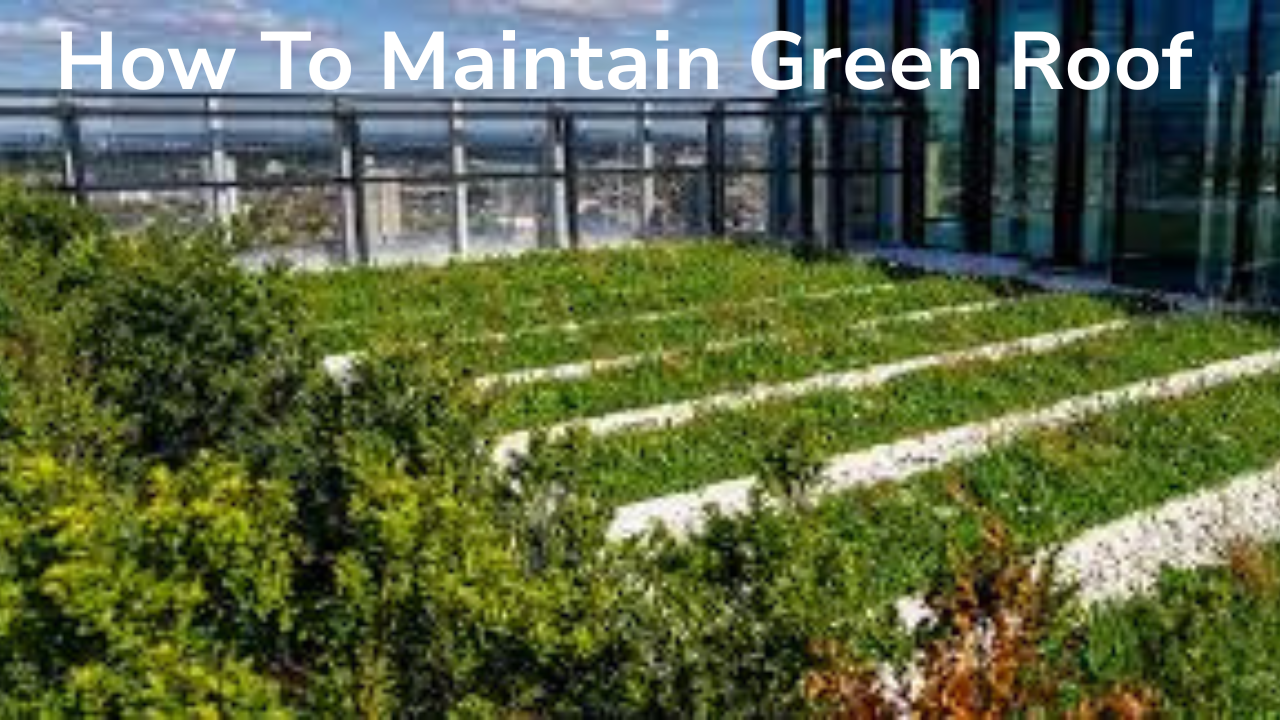
Imagine your home’s roof is not just a roof, but a mini jungle filled with cool air, greenery, and life. Green roofs are not just a trend these days, but have become a sustainable solution to urban life. According to experts, properly maintained green roofs reduce the urban heat island effect by 40–60% and keep the temperature inside the building naturally cool.

2025 environmental sustainability reports (according to data from the Environmental Urban Development Journal) show that well-maintained green roofs also increase rainwater harvesting efficiency by up to 30%. But all this is possible only when the roof is properly maintained—and that’s what we’re going to learn here.
Industry expert James Maddox (Eco Gardens Sustainability Head) says, “Green roof maintenance isn’t just about beauty — it’s about preserving a living system above our heads.”

Let’s now look at six key expert-backed tips that will keep your green roof healthy and thriving.
Overview Table
| Article | How To Maintain a Green Roof: Six Expert Tips for Long-Term Success |
| Nation | Global |
| Effective Focus Year | 2025 |
| Department | Environmental & Urban Infrastructure Authorities |
| Benefit accessors | Homeowners, Architects, Green Building Developers, Urban Gardeners |
Regular Inspection: Early Detection = Long-Term Protection
The first and most basic rule—regular inspection. Experts say that green roofs should be inspected at least 3–4 times a year, especially after heavy rains or storms.

According to a report by Intermountain Roofscapes, early inspection can prevent 80% of water damage cases.
When inspecting, focus on:

- Moss or algae buildup on roof edges and drains
- Plant overgrowth or dead patches
- Leakage marks or water clogging
One green roof expert, Laura Bennett (Urban Ecology Specialist), says:

“Ignoring small signs like a blocked drain can turn into a huge structural issue later.”
Weed Control aur Proper Plant Trimming
If weeds are not controlled in a timely manner, they cause poor plant growth and nutrient competition. Eco Gardens’ 2025 Urban Study states that weed-free roofs show 25% higher photosynthetic efficiency.
Perform manual weed removal and trimming every 2–3 months.
Pro tip: Choose Sedum and drought-tolerant species, as they thrive with minimal maintenance.
Take care of the drainage system
The drainage system is the heart of a green roof—if it clogs, the entire roof ecosystem is at risk.
According to the Roof Home Environmental Maintenance Report (2025), 60% of green roof failures are caused by improper drainage.
Clean drains and filters once monthly and ensure no leaf debris or soil deposits block the system.
Eco Gardens’ maintenance chief, Andrew Collins, says:
“A blocked drain can kill the health of your green roof faster than any drought.”
Watering Schedule: Balance is Key
Too much water is harmful, as is too little water. Maintaining a balanced watering schedule is essential for green roofs.
Expert recommendation: Install an irrigation system — drip irrigation or moisture-sensor-based systems are best.
According to data from Intermountain Roofscapes, automated irrigation systems reduce water wastage by 35% and improve plant health.
Tip: Water every alternate day during the summer months and rely on natural rainfall during the rainy season.
Soil Health aur Fertilization
Healthy soil = Healthy roof!
Soil testing is essential every year to maintain nutrient balance.
According to Eco Gardens’ annual maintenance report, balanced fertilizers (NPK ratio 10:10:10) increase plant survival rates by 20%.
Avoid over-fertilization as it can promote algae growth.
Expert Rachel Summers (Green Roof Consultant) says:
“A little nutrient care goes a long way in ensuring your rooftop garden’s longevity.”
Cleaning and Seasonal Care
Ignoring roof cleaning is the most common mistake. Light cleaning is essential at the end of each season—remove fallen leaves, dead plants, and debris.
The Northwest Maids Environmental Cleaning Guide (2025) states that properly cleaned roofs show a 50% longer lifespan compared to unmaintained ones.
During winter, remove frost or snow gently to avoid damaging the roof membrane.
Snapshot Table
| Aspect | Expert Insight/Report reference | Key Takeaway |
| Inspection | Intermountain Roofscapes Annual Data | 80% water damage preventable via early detection |
| Drainage | Roof Home Maintenance Report | 60% roof failures due to blocked drains |
| Watering | Intermountain Roofscapes | 35% less water wastage with smart irrigation |
| Fertilization | Eco Gardens Annual Report | 20% higher plant survival with balanced nutrients |
| Cleaning | Northwest Maids Guide | Clean roofs last 50% longer |
People’s Voice & Expert Opinion
1,200 homeowners participated in Eco Gardens’ recent “Urban Green Living Survey 2025.”
- 76% said regular maintenance improved biodiversity on their roof.
- 68% reported a noticeable reduction in water bills.
- 82% said their green roofs became aesthetically better and more weather-resistant.
David Harper, a senior environmentalist, says:
“Green roofs aren’t just structures; they’re living layers that demand respect and care.”
Wrap-Up Paragraph
One thing is clear—a green roof is not just an eco-project, but a living ecosystem that needs both love and care. If you follow regular inspections, drainage checks, and watering discipline, your green roof will remain an eco-friendly beauty for years.
Experts agree—green roofing will be the foundation of sustainable housing in 2025 and beyond. So, nurture it, enjoy it, and let your roof live as beautifully as the nature around you.
FAQs
1: How often should a green roof be maintained?
Inspection and maintenance are necessary every 3–4 months, especially after monsoon and winter.
2: Can I clean a green roof myself?
Yes, but be mindful of safety and the correct tools. For complex roofs, it’s best to seek professional help.
3: What plants are best for a green roof?
Sedum, grasses, and drought-tolerant succulents are best—they are low-maintenance and weather-resistant.
4: What should I do if the drainage is blocked?
Clean immediately—remove leaves and soil deposits. If leaks are noticed, have a professional inspect it.
5: Is it necessary to apply fertilizers?
Yes, but use a balanced fertilizer (10:10:10 NPK). Over-fertilization can promote algae growth.